
Grain, Peaks, and Winter Light in the Julian Alps

Choosing Emulsion for Alpine Contrast
Scenic Routes and Best Light
Lake Bled and Bohinj Vistas
Vršič Pass and Kranjska Gora Switchbacks
Mastering Exposure in Snow
Incident vs Reflective Choices
An incident meter placed in the same light as your subject reads energy directly, often landing snow around Zones VII–VIII without mental gymnastics. Without one, use a gray card or spot-meter bright snow and open up one and a half to two stops. Shield the dome or lens from glare, meter twice, and commit. Consistency matters more than perfection, because negative film tolerates errors gracefully while slide film demands humility and patience in every changing cloud.
Bracketing and Latitude Strategies
For negative film in dramatic weather, try a simple bracket like baseline, plus one, and plus two stops on key scenes; you will learn how scanners pull detail and which exposure breathes best. With slide film, narrow to baseline and plus one third in tricky light to avoid clipped highlights. If wind or tripod limits time, prioritize composition, then secure a slightly generous exposure. Keep notes in a tiny notebook, and revisit them after scans to refine judgment.
Managing High Contrast and Glare
Winter midday can flatten slopes and scorch snow. Work edges of light: open shade near chalets, backlit spindrift, or thin clouds veiling the sun. A polarizer deepens skies but easily scars snow with odd banding; rotate gently and watch through the finder. Graduated filters help horizons when shooting slides, yet thoughtful framing often accomplishes more. Wait for a hiker in a red jacket, hide the sun behind a peak, and let texture return without fighting physics.
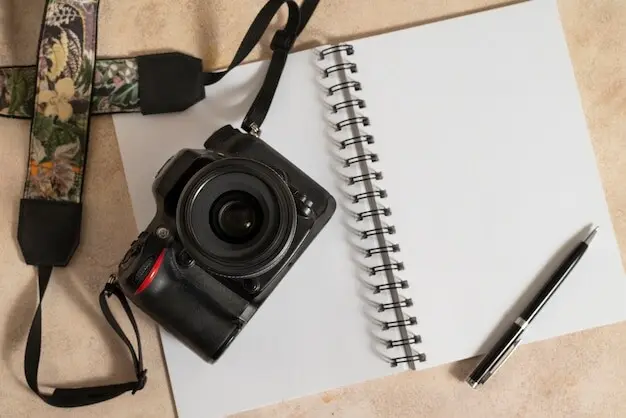
Cold-Weather Fieldcraft and Reliable Gear
Push, Pull, and the Mood of the Mountain
Reliable Labs and Practical Home Options
Scanning Snow: Preserving Subtle Tones
Storytelling, Safety, and Community
All Rights Reserved.