
Finding Your Way in Triglav with Map and Compass

Step into Slovenia’s high Julian Alps with confidence. Paper Map and Compass Routes in Triglav National Park: A Manual Navigation Primer invites you to practice timeless skills—reading contours, setting reliable bearings, and planning hut-to-hut journeys—without relying on batteries or bars. Through practical steps, vivid stories, and safety-minded checklists, you will learn to move deliberately across karst ridges, glacial valleys, and scree, turning analog tools into reliable partners when fog thickens, trails split, or weather changes faster than forecasts predict.

Contours That Tell Stories

Contours are paragraphs of mountain prose: tight stacks warn of impassable walls, gentle spacing promises grassy traverses, and sudden kinks reveal couloirs that funnel fog and feet alike. In Triglav’s limestone, cliffs can masquerade as mild slopes until contours bunch like concertina. Trace potential handrails—streams, ridges, forest edges—and sketch attack points where a bearing begins. The more details you can narrate aloud from the map, the fewer surprises wait around the next stony corner.

Ridges, Saddles, and Safe Handrails

Ridges collect wind yet offer clarity, guiding you like the spine of a great creature. Saddles concentrate paths and decisions, becoming magnets for tired parties and sudden doubts. Use long handrails—river valleys like Vrata, clear ridgelines toward Kredarica, and forest boundaries—to correct tiny errors before they grow. Move checkpoint to checkpoint, confirming each feature by shape, aspect, and elevation. When in doubt, climb gently toward the ridge you can follow rather than commit to hidden gullies that may end in slabs.

Compass Confidence: Bearings, Declination, and Micro-Nav

Your baseplate compass becomes a decision filter when visibility falls and junctions multiply. Practice at home: align edge with route, twist housing to orient lines with north-south grid, and walk the arrow with deliberate steps. In Slovenia, declination is modest but real and shifts gradually each year; compensate consistently and verify with terrain clues. Combine aiming off, attack points, and back-bearings to transform vague meadows or boulder fields into solvable puzzles where every fifty meters brings a satisfying confirmation tick.

Setting a Bearing You Trust

Lay the compass edge along your intended line from present position to the next checkpoint. Twist the bezel so orienting lines sit perfectly over the map’s grid; then rotate your body until the red needle settles within the orienting outline. Before stepping, identify three forward features—perhaps a lone larch, a limestone tooth, and a break in the slope—to leapfrog your focus. Walk confidently, glancing down only between anchors, preserving momentum while maintaining accuracy across uneven, ankle-biting stones and short, deceptive dips.

Declination in the Julian Alps

Expect a small easterly declination in the Julian Alps that changes slightly year to year. Mark the current value on your map margin and adjust the compass consistently, either by setting the bezel correction or applying it in your head. Cross-check direction with sun position, known aspects, and the feel of the slope underfoot. When uncertainty creeps in, pause to re-center: confirm with a resection, take a back-bearing to your last definite point, and re-approach your target using a conservative, easily verified handrail.


Planning Routes Across Valleys, Huts, and High Passes
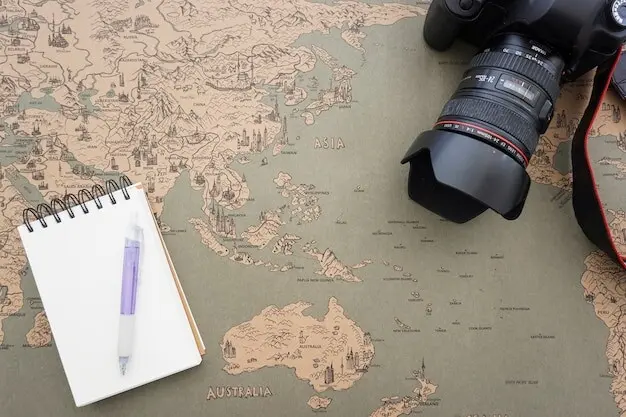
Great journeys in Triglav often stitch together welcoming huts, dependable water, and poetic passes. Use huts like Triglavski dom na Kredarici and Koča pri Triglavskih jezerih as resilient waypoints, and plan flexible lines between Bohinj, Vrata, and Trenta. Mark contingency paths avoiding exposed protection where equipment is required, choosing safe terrain in poor visibility. Balance ambition with daylight, forecast volatility, and your team’s stamina, building route cards that anticipate detours while preserving the joy of unhurried alpine wandering.

Weather, Seasons, and Ground Truth

Maps never promise sunshine. In Triglav, morning clarity can slide to midday haze and afternoon thunder, while shoulder seasons surprise with hard snow patches on northern aspects. Learn cloud language, wind shifts, and temperature drops that announce change. Adjust bearings to skirt corniced rims, choose low lines in gusts, and trust a cautious turnaround when instincts whisper. Ground truth—what your skin, eyes, and boots report—always outranks yesterday’s forecast, especially when karst drains swiftly and storms gather behind solemn, beautiful walls.

Estimating Time the Old-School Way

Start with Naismith: allow time for distance plus a steady surcharge for elevation gain, then tweak for scree, humidity, and group size. Break the day into legs that naturally pause at water, views, or sheltered snacks. Write planned and actual times directly on your map’s edge to capture drift early. If you’re habitually late by ten percent, add it up-front. Honest math prevents twilight scrambles and trades stress for the quiet pleasure of arriving right when shadows stretch.

Pace Counting That Actually Works

Calibrate your double-step count over one hundred meters on trail, rough ground, and gentle ascent. Memorize three numbers, not one. Use beads, pebbles, or finger segments to track hundreds of meters without thinking too hard. Reset whenever you hit an obvious feature to avoid compounding errors. Combine counting with micro-features—a bend in a stream, a boulder cluster, a tree island—so distance and terrain agree. When the two disagree, stop cheerfully, sip water, and reconcile before pride leads you astray.

Route Cards and Leave-Behind Notes

Write a compact route card listing party members, planned legs, bearings, cutoff times, and bailouts. Give a copy to a trusted person or the hut host and tuck another behind your map. Highlight no-go areas where cliffs, unstable scree, or late snow complicate return options. Clear intentions support decisive choices when conditions wobble. Should plans change, send word promptly upon safe reception. Analog breadcrumbs reduce worry for others and convert rescue from guesswork into focused, timely assistance if truly needed.

Stories from the Limestone: Lessons and Small Victories

Experience teaches what manuals cannot. Picture a day when mist swallowed the path above the emerald lakes, or when the north wall loomed stern and a quiet back-bearing restored order. These stories carry the texture of real footsteps, scraped shins, and satisfied grins. Share yours, learn from others, and let every contour misread or brilliant correction polish your intuition. Community wisdom turns personal practice into collective safety and lets paper and compass feel like friendly, time-tested companions.
Rinopentoluma
Privacy Overview

This website uses cookies so that we can provide you with the best user experience possible. Cookie information is stored in your browser and performs functions such as recognising you when you return to our website and helping our team to understand which sections of the website you find most interesting and useful.