Grain, Peaks, and Winter Light in the Julian Alps

Welcome to a film photographer’s journey through the Julian Alps, where crisp ridgelines, frozen lakes, and low sun challenge and reward every frame. This guide to film photography in the Julian Alps explores the best film stocks, the most inspiring scenic spots, and trustworthy metering strategies for bright, reflective snow. Along the way you’ll find practical tips, heartfelt stories, and gentle nudges to share your work, ask questions, and join our growing community of mountain-loving shooters.

Choosing Emulsion for Alpine Contrast

In high-altitude light, snow behaves like a giant reflector while dark spruces and granite absorb everything, stretching contrast across the frame. Selecting the right emulsion changes how the scene breathes: color that sings under diffuse cloud, slide film that demands precision, or black and white that carves texture from silence. Here we compare speed, latitude, grain, and palette with honest field notes, so you can pack confidently and spend more time composing than second-guessing your kit.

Scenic Routes and Best Light

The Julian Alps reward curiosity more than rushing. Elevation changes quickly, weather rolls over ridges in minutes, and light funnels through valleys like a river. Plan with maps, but let footsteps and the day’s temperament decide final choices. Early starts mean empty viewpoints and calm reflections, while blue-hour evenings gift patient gradients above silent towns. Respect closures and conditions, keep traction devices ready, and leave space in your schedule to savor a hut soup or unexpected conversation.

Lake Bled and Bohinj Vistas

Climb Ojstrica or Mala Osojnica before dawn and you might catch mist dissolving around Bled Island as bells echo softly across still water. Over at Bohinj, winter reflections stretch wider and wilder, framed by bare beeches and guarded cliffs. Portra 400 sings in diffuse morning, while Ektar 100 rewards sunlit midday clarity. Meter off a gray scarf or use incident readings to keep snow brilliant. Pack microspikes for icy steps, and linger for swans drifting through your composition.

Vršič Pass and Kranjska Gora Switchbacks

Switchbacks beneath Vršič carve perfect leading lines, especially after fresh snowfall when plows leave rhythmic edges. Larches glow honey-gold in late autumn, then transform into minimal brushstrokes once winter grips the ridge. From Kranjska Gora, look toward Prisojnik and Razor for serrated silhouettes at sunrise. Provia handles cool shadows gracefully; HP5+ thrives in moody storms. Mind avalanche advisories, wind-chill, and sudden closures. Keep fingers nimble with liner gloves under mitts so you can reload confidently without rushing.

Mastering Exposure in Snow

Snow wants to trick meters into underexposure, swallowing sparkle and turning scenes dull. The goal is keeping whites luminous while protecting sky and shadow detail. Whether you rely on an incident meter, reflective spot, or in-camera averaging, build a repeatable habit you trust. Practice at home on bright sidewalks, then refine in valleys and ridgelines. Confidence beats luck, especially when wind stings your eyes and you’ve only two frames left before tea at the hut.

Incident vs Reflective Choices

An incident meter placed in the same light as your subject reads energy directly, often landing snow around Zones VII–VIII without mental gymnastics. Without one, use a gray card or spot-meter bright snow and open up one and a half to two stops. Shield the dome or lens from glare, meter twice, and commit. Consistency matters more than perfection, because negative film tolerates errors gracefully while slide film demands humility and patience in every changing cloud.

Bracketing and Latitude Strategies

For negative film in dramatic weather, try a simple bracket like baseline, plus one, and plus two stops on key scenes; you will learn how scanners pull detail and which exposure breathes best. With slide film, narrow to baseline and plus one third in tricky light to avoid clipped highlights. If wind or tripod limits time, prioritize composition, then secure a slightly generous exposure. Keep notes in a tiny notebook, and revisit them after scans to refine judgment.

Managing High Contrast and Glare

Winter midday can flatten slopes and scorch snow. Work edges of light: open shade near chalets, backlit spindrift, or thin clouds veiling the sun. A polarizer deepens skies but easily scars snow with odd banding; rotate gently and watch through the finder. Graduated filters help horizons when shooting slides, yet thoughtful framing often accomplishes more. Wait for a hiker in a red jacket, hide the sun behind a peak, and let texture return without fighting physics.
Cold-Weather Fieldcraft and Reliable Gear

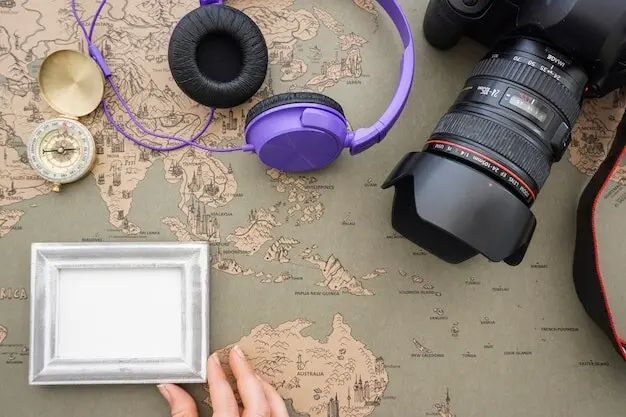
Cold amplifies every small flaw. Lubricants stiffen, LCDs fade, and batteries surrender unexpectedly. Build a system that thrives in winter: reliable bodies, simple meters, secure straps, and layers that keep you nimble. Protect fingers, protect film, and protect your curiosity. Pack a thermos and a forgiving schedule. The best frames often arrive after you decide to stay a little longer, trusting your preparation while snowflakes thicken and the mountains finally reveal their quiet choreography.

Push, Pull, and the Mood of the Mountain

Pushing HP5+ to 800 during storms accentuates grit, increases perceived sharpness, and shortens shutter times, while gently raising grain that suits rugged ridges. Pulling Ektar 100 to 50 calms contrast on stark bluebird days and luxuriates in color depth. Tell your lab precisely, or standardize home routines. Remember reciprocity failure for long exposures on some stocks; consult charts, add time thoughtfully, and test before big trips. Mood lives in these decisions as surely as in composition.

Reliable Labs and Practical Home Options

A consistent lab becomes a creative partner: communicate exposure intent, scanning preferences, and any pushing or pulling. Ask about chemistry rotation and densitometry checks. At home, C‑41 demands tight temperature control but rewards with speed and independence; E‑6 is less forgiving yet breathtaking when nailed. Black‑and‑white remains approachable in cabins if water temperature cooperates. Drying dust-free in winter air is tricky—rig a small steamy bathroom, close vents, and guard those precious highlights from lint.

Scanning Snow: Preserving Subtle Tones

Tell scanners to favor highlight retention and gentle contrast curves. With negatives, overexposure often scans best when you trim brightness rather than trying to rescue murky shadows. For slides, protect whites during capture, then preserve neutrality. Calibrate monitors, spot meticulously, and avoid heavy clarity sliders that tattoo snow unnaturally. Dedicated film scanners or reputable drum services shine on alpine scenes. Share side-by-sides with our readers; your experiments accelerate everyone’s progress through winter’s high‑key complexity.

Storytelling, Safety, and Community

Images endure when they carry feeling: breath fogging in first light, spindrift stinging cheeks, the hush after distant avalanches settle. Build sequences that travel from village to ridge to star‑snow night, revealing texture, scale, and human connection. As you explore, tread gently, read conditions, and prioritize coming home. Your comments, questions, and story links help this community grow kinder and wiser, one careful frame and honest reflection at a time.
Rinopentoluma
Privacy Overview

This website uses cookies so that we can provide you with the best user experience possible. Cookie information is stored in your browser and performs functions such as recognising you when you return to our website and helping our team to understand which sections of the website you find most interesting and useful.